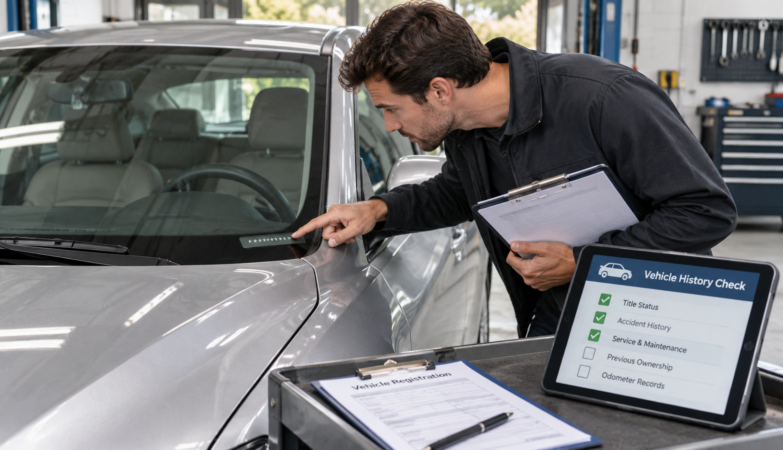
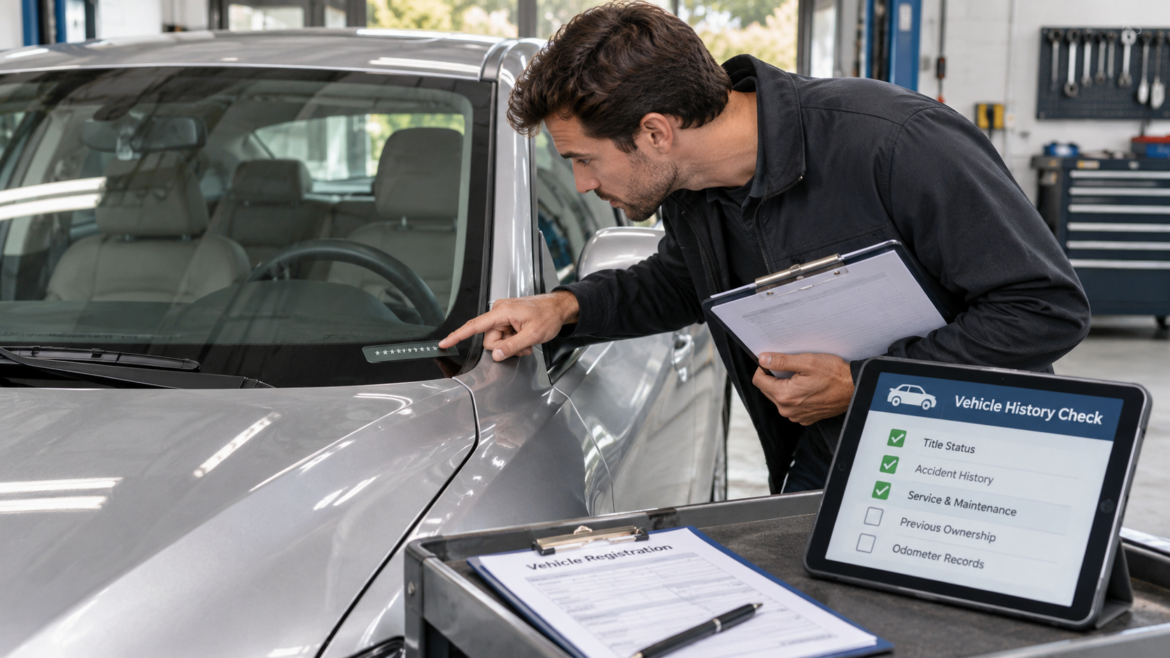
A single typing mistake in a vehicle identification number can prevent you from finding the correct car records. It can also lead you toward inaccurate information about a vehicle’s age, specifications or ownership history.
The code 5npeg4ja7mho78574 appears to contain such an error. Although it has the correct length for a modern vehicle identification number (VIN), it includes the letter O, which is not permitted under standard US VIN requirements.
Replacing that letter with a zero produces a possible match for a 2021 Hyundai Sonata SE. However, finding a matching online record is only the beginning. Buyers should confirm the number against the actual vehicle before relying on any information connected to it.
Why This Vehicle Identification Number Needs Verification
Modern vehicles sold in the United States generally carry a unique 17-character VIN. Manufacturers use this combination of letters and numbers to identify individual vehicles and record certain production details.
The National Highway Traffic Safety Administration (NHTSA) establishes rules governing VIN formats. These rules exclude the letters I, O and Q to reduce confusion with similar-looking numbers. In this particular case, the difference is easy to overlook.
|
Detail |
Information |
|---|---|
| Original code |
5npeg4ja7mho78574 |
|
Possible corrected VIN |
5NPEG4JA7MH078574 |
| Character count |
17 |
|
Suspected error |
Letter O instead of zero |
| Possible manufacturer |
Hyundai |
|
Possible model |
Sonata SE |
| Possible model year |
2021 |
A public vehicle auction archive associates the corrected number with a Hyundai Sonata SE from the 2021 model year. This association does not independently establish the vehicle’s current condition, ownership or registration status. The original VIN plate remains the most useful starting point for verification.
What Each Part of a VIN Can Tell You
A vehicle identification number is not simply a random production number. Its characters follow an organized format that helps manufacturers, government agencies and automotive businesses identify vehicles. For vehicles following modern US VIN requirements, the number contains several sections.
| Character position | General purpose |
|---|---|
| 1–3 |
Manufacturer identification |
| 4–8 |
Vehicle characteristics |
|
9 |
Check digit |
| 10 |
Model year |
|
11 |
Manufacturing plant |
| 12–17 |
Vehicle identification sequence or manufacturer-specific information |
The ninth character is particularly useful because it helps detect certain transcription errors. A mathematical calculation determines whether the check digit is consistent with the other characters. The possible corrected Hyundai VIN passes this calculation. Nevertheless, a mathematically valid VIN does not establish that a particular car is genuine, legally owned or free from damage.
Where to Locate the Original Vehicle Number
Searching online before checking the actual vehicle can waste time. A seller may have copied a number incorrectly from a photograph, registration document or previous advertisement.
Common places to check include:
-
The dashboard near the driver’s side windshield.
-
The manufacturer’s label inside the driver’s door opening.
-
Vehicle title documents.
-
Registration paperwork.
-
Insurance documents.
-
Previous maintenance invoices.
Compare the numbers character by character rather than relying on their overall appearance.
If the dashboard VIN differs from the registration paperwork, ask the seller for an explanation and supporting documents. Do not assume that a difference is harmless simply because the rest of the vehicle information appears correct. A damaged, altered or missing identification plate also deserves further investigation through the appropriate authorities.
Free VIN Decoding and Its Limitations
The NHTSA provides a free online VIN decoder that allows users to retrieve manufacturer-reported vehicle information. Depending on the vehicle and available records, a decoder may provide information about the manufacturer, model year, engine, body style and manufacturing location.
This can help buyers determine whether a vehicle advertisement accurately describes the car being offered. However, decoding a VIN and researching vehicle history are two different activities. A decoder primarily identifies the vehicle. It does not necessarily explain what happened to the car after it left the factory.
For example, a VIN may identify a four-door sedan with a gasoline engine, but it cannot establish whether the vehicle has recently suffered collision damage or received regular oil changes. Those questions require additional records and a physical inspection.
What a Vehicle History Report Should Reveal
Once you have confirmed the VIN, the next step is to examine the vehicle’s recorded history. In the United States, the National Motor Vehicle Title Information System (NMVTIS) helps consumers access important title-related information through approved report providers.
Title and Damage Records
A vehicle title may contain a designation indicating previous serious damage, salvage status or other significant events. These records deserve careful attention because previous damage can affect resale value, insurance eligibility and future repair costs. A vehicle that looks clean in photographs may still have a complicated history. Cosmetic repairs can improve its appearance without resolving underlying mechanical problems.
Recorded Mileage
Compare available odometer readings with the mileage currently displayed on the vehicle.
Consider a hypothetical car with these records:
| Year | Recorded mileage |
|---|---|
|
2022 |
18,500 miles |
| 2023 |
32,400 miles |
|
2024 |
47,200 miles |
| 2026 |
29,000 miles |
The unexplained decrease would justify further investigation. It could result from a reporting error, instrument replacement or possible odometer manipulation.
Ask for maintenance invoices and supporting documentation before reaching a conclusion.
NMVTIS reports have coverage limitations, so the absence of a negative record should not be treated as proof that a car has never suffered damage.
Why Auction Listings Need Careful Interpretation
Older auction listings sometimes remain available long after a vehicle has changed hands. These pages may contain photographs, mileage readings and descriptions recorded at the time of sale. Such information can help establish a historical reference point. It cannot provide a complete picture of the vehicle today.
For instance, an auction photograph from several years ago may show a car in apparently good condition. Since then, the vehicle could have experienced additional wear, accidents, mechanical failures or major repairs.
The date attached to each record matters just as much as the information itself. Buyers should compare historical listings with recent service records and photographs rather than treating old auction information as a current condition report.
Checking Outstanding Safety Recalls
Manufacturers issue safety recalls when certain vehicles require corrective work because of safety-related defects or failures to meet applicable standards. The NHTSA recall lookup allows consumers to search using a confirmed VIN.
A model-level recall announcement does not automatically mean every vehicle from that production year is affected. Vehicle-specific checks provide more relevant information. An online search may also have limitations, including delays involving newly announced recalls. Contacting the manufacturer or an authorized dealership can help clarify outstanding questions.
There is no verified recall status for the specific vehicle discussed here. A fresh lookup using its confirmed identification number is necessary.
Recognizing Unreliable Vehicle Lookup Websites
Unusual combinations of letters and numbers sometimes appear on websites that provide conflicting explanations of their meaning.
Some pages may describe an unfamiliar code as a software product or digital service without identifying a legitimate developer, manufacturer or supporting documentation.
A reliable vehicle research website should explain where its information comes from and distinguish between confirmed facts and assumptions.
Be cautious if a website requests unnecessary personal details, demands payment before explaining its service or promises access to every record associated with a vehicle.
Start with recognized government resources. If you decide to purchase a history report, check whether the provider is legitimate and understand what information the report includes.
A Physical Inspection Can Reveal Missing Information
Even a detailed vehicle history report cannot identify every mechanical issue.
The Federal Trade Commission advises used car buyers to arrange an independent inspection rather than relying exclusively on historical records.
A qualified mechanic can examine the engine, transmission, brakes, suspension and other components. They may also identify fluid leaks, corrosion, uneven tire wear or signs of previous repairs.
For a used sedan, the inspection should consider both current safety and likely maintenance expenses. A car with an attractive purchase price may become expensive if several major components need attention shortly after the sale.