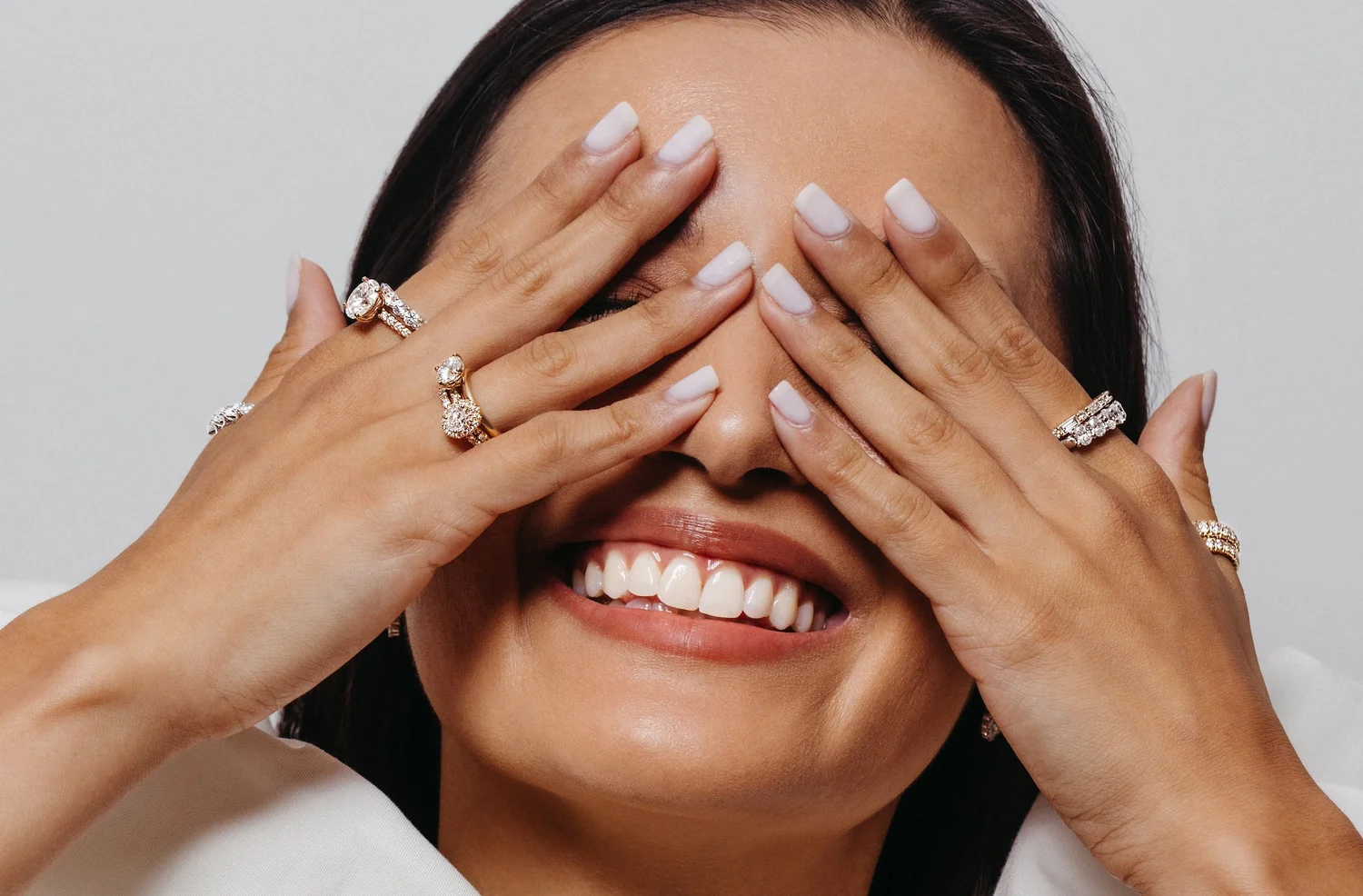

If you spend enough time wandering through jewellery ateliers, you notice something funny. Everyone speaks in carats and clarity grades, sure, but beneath the sparkle there’s a deeper conversation humming away. It’s about responsibility, origin stories, and whether the stones we admire have travelled a clean path before landing in a ring box.
A decade ago, I’ll admit, this wasn’t a discussion many everyday shoppers were part of. You bought a diamond, maybe after a bit of comparison shopping, and that was that. But the world has shifted. People want to know what sits behind their purchase, not just what sits on top of their finger. And that shift is exactly why diamantes libres de conflicto have moved from a niche curiosity to one of the most urgent ethical topics in modern jewellery.
I’ve spent the last few months talking with jewellers in Melbourne, Sydney and even a few in Madrid who’ve been rethinking their craft from the ground up. Their message was surprisingly unified: the old assumptions about diamonds no longer hold. And honestly, the more I dug into it, the more I realised how little most of us really know about the stones we associate with love, commitment, or sometimes, just a bit of well-earned indulgence.
So, let’s unravel the story – slowly, humanly, the way you would over a long conversation in a workshop with the smell of polishing paste in the air.
What does “conflict-free” actually mean?
You might not know this, but the term “conflict diamond” wasn’t always mainstream. It emerged more prominently in the late 1990s and early 2000s when journalists exposed how diamond profits were fuelling violence in certain parts of Africa. That’s when global initiatives, notably the Kimberley Process, stepped in to certify stones that weren’t tied to armed conflict.
On paper, it sounded like a solution. In practice, it was… well, better than nothing but far from perfect.
Several jewellers told me the same thing: most consumers assume that if a stone is labelled conflict-free, it must be ethically spotless. But these certifications often focus narrowly on one issue (armed conflict), while overlooking environmental impact, labour conditions, mining pollution, displacement of local communities, and the long shadow of corruption in parts of the mining world.
And that’s where the idea of a more holistic approach began to take root. Not just avoiding conflict, but pursuing a genuinely responsible alternative.
The slow but steady rise of lab-grown diamonds
Here’s the part I was honestly surprised to learn. Many of the most forward-thinking jewellers I met had quietly transitioned a significant portion of their collections to lab-grown stones. A few of them admitted they’d resisted the idea at first. To traditionalists, “grown in a lab” once sounded like a gimmick.
But the reality is far more interesting.
Diamonds created in controlled environments aren’t cheap knockoffs. They’re chemically identical to mined diamonds, grown using advanced engineering methods that recreate the same conditions of heat and pressure that occur under the Earth’s surface. If you handed one to a gemologist without telling them its origin, they’d need specialised equipment to tell the two apart.
The real difference lies in the story.
Lab-grown diamonds avoid the environmental scars of mining: the enormous pits, the displaced soil, the water use, the carbon footprint. They avoid the social complications, too. And because they remove so many ethical question marks, they’ve become the backbone of modern diamantes libres de conflicto.
If you’re curious about how this new generation of conflict-free stones is being sourced, explained and certified, one excellent place to start is this clear and genuinely helpful overview on Diamantes libres de conflicto. It breaks things down without sounding preachy, which I really appreciated while researching.
Why consumers are warming to ethical stones
This shift isn’t just an industry trend; it’s cultural. The same way people now check where their coffee beans come from or whether their linen sheets were sustainably made, jewellery buyers are asking more questions.
A few recurring themes kept popping up during my conversations with customers:
People want purchases that feel good, not just look good.
There’s something deeply satisfying about wearing a piece that aligns with your values. When people talk about their conflict-free diamond engagement rings, they often glow with this extra layer of pride.
Younger generations hate opacity.
Ask someone under 35 where their stone came from and they want specifics. A vague “Africa somewhere” doesn’t cut it anymore.
Budget matters, and lab-grown helps.
Lab-grown diamonds often cost noticeably less than mined ones. Couples are using the price difference to upgrade quality, choose more personalised settings, or simply save money for things like a home deposit. One jeweller laughed and told me, “Half my clients would rather have a bigger stone and still afford their Bali honeymoon.”
Modern aesthetics suit modern ethics.
This might sound airy, but it’s true: clean, minimal, contemporary style pairs beautifully with clean, transparent sourcing.
The bottom line is that modern jewellery buyers are thoughtful. They care about origin stories, but they also appreciate choice.
The lingering myths (and why they’re fading)
Whenever you talk about lab-grown diamonds in a pub or at a dinner party, a few predictable comments surface. They’re usually myths left over from the early days of the technology.
“It’s not a real diamond.”
It is. Chemically, structurally, optically – it’s real. The difference is its birthplace.
“It won’t hold value.”
The funny twist here is that most mined diamonds don’t hold resale value either, at least not outside high-end investment-grade stones. Jewellery is a sentimental investment, not a financial one. And lab-grown stones are riding the same wave.
“Mining supports livelihoods.”
A few jewellers pointed out something important: while some mines genuinely do provide stable work, others contribute to unsafe conditions and questionable labour practices. The ethical landscape is messy, and lab-grown stones help sidestep that complexity.
“It doesn’t feel romantic.”
This one is personal. Romance means different things to different people. For some, knowing your diamond didn’t contribute to environmental damage or human suffering is about as romantic as it gets.
Over time, these myths are losing their grip. More couples are openly choosing ethical alternatives and telling their stories on social media, which helps normalise the shift.
Where fashion fits into all this
The fashion world, especially in Australia, has been quietly championing this shift. Stylists told me they love having access to larger or more unusual stones without the price issues or ethical questions. Some brands are designing collections that deliberately play with shapes and colours that would’ve been financially impractical with mined stones.
Even international fashion journalists have started weaving ethical sourcing into their coverage of trend pieces. One article I came across exploring man made diamonds (linked here: man made diamonds) did a neat job of framing lab-grown stones as part of the modern jewellery wardrobe, rather than a “lesser” option. That shift in storytelling really matters.
And from what I’ve observed, fashion often leads culture. When designers normalise conflict-free stones, customers start treating them as aspirational rather than alternative.
The environmental angle that changed everything
While ethics were the starting point, sustainability is the angle that’s catching fire. Mining, whether for diamonds or anything else, is incredibly resource-intensive. Some mines move hundreds of tonnes of earth just to extract a few grams of diamond.
But when I spoke with environmental researchers, something else came up. They weren’t just worried about the land disruption. They were worried about the long-term rehabilitation of mining sites. Once you carve out a pit the size of a stadium, it’s unbelievably hard to restore it.
Lab-grown diamonds, in contrast, can be produced using renewable energy. Some facilities run entirely on solar or hydro power. Of all the interviews I did, this detail consistently lit people up. We’re in a moment where climate consciousness is mainstream, and being able to choose a symbol of love or achievement that leaves a lighter footprint just makes sense.
Why the human story still matters most
The tech, the certifications, the environmental stats – they’re all compelling. But the heart of this shift is deeply human.
I remember speaking with a young couple in Brisbane who had just chosen a conflict-free diamond for their engagement ring. They’d done their research, compared options, and made a decision that genuinely felt like them. The bride-to-be said something small but memorable: “It just felt honest.”
That might be the single best way to summarise the rise of diamantes libres de conflicto. They feel honest.
They fit the world we’re trying to build rather than the world we’re trying to move away from.
How to choose responsibly without overthinking it
If you’re considering a diamond, you don’t have to become an industry expert. But a few guiding thoughts can make the process clearer:
Trust jewellers who explain things simply and transparently.
If someone dances around your questions, walk away.
Follow your instincts on what feels ethical, not just what sounds technical.
Ethics shouldn’t require a dictionary.
Remember that a ring or necklace will matter most because of who gave it, who wears it, and what it symbolises, not where it formed.
Most importantly: don’t let anyone guilt you into a choice. Conflict-free and lab-grown options exist to empower you, not pressure you.
A final thought as the industry keeps evolving
Diamonds have always carried stories. Some were whispered across generations; some never told. What’s happening now is part of a broader rewriting of those stories. A quiet revolution, maybe, but a meaningful one.
We’re moving toward transparency, sustainability, and respect for the communities and landscapes behind the beauty we celebrate. And whether you choose a lab-grown stone, a recycled diamond, or another ethical gem entirely, you’re part of that evolution.