
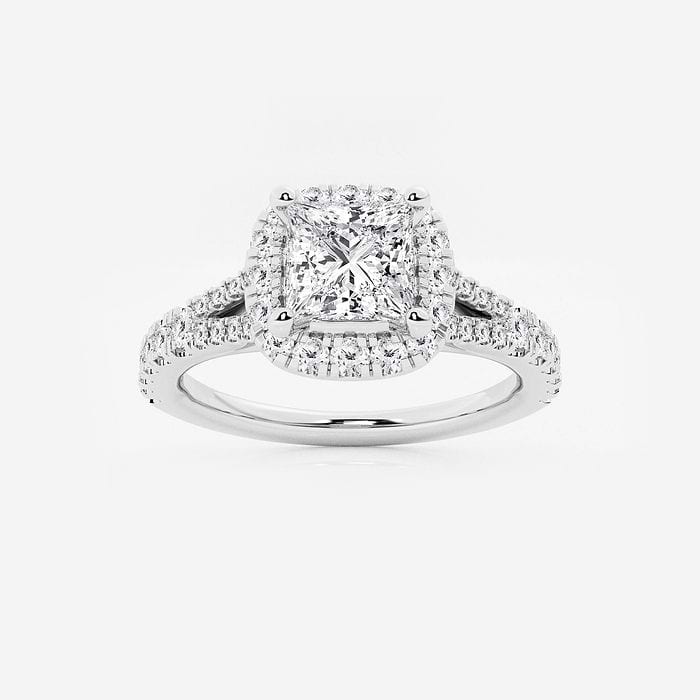
In recent times, the jewelry industry has witnessed a significant shift towards lab-grown diamonds, especially loose lab diamonds. These diamonds, created in controlled laboratory settings, offer an ethical, sustainable, and cost-effective alternative to traditional mined diamonds. But what exactly are loose lab diamonds, and why are they becoming the preferred choice for many?
Understanding Loose Lab Diamonds
Loose lab diamonds are diamonds created in a laboratory environment using advanced technological processes. These diamonds share the same physical, chemical, and optical properties as natural diamonds, making them nearly indistinguishable to the naked eye.
The primary difference lies in their origin. While natural diamonds form deep within the Earth’s mantle over millions of years, lab-grown diamonds are produced in a matter of weeks using methods like High Pressure High Temperature (HPHT) or Chemical Vapor Deposition (CVD).
The Rise of Lab-Created Diamonds
The growing popularity of lab-created diamonds can be attributed to several factors:
Ethical and Sustainable Sourcing
Lab-grown diamonds are produced without the environmental degradation and ethical concerns associated with traditional diamond mining. They are conflict-free, ensuring no human rights violations are linked to their production.
Cost-Effectiveness
On average, lab-grown diamonds can be up to 80% less expensive than their mined counterparts. This price difference allows consumers to purchase larger or higher-quality diamonds within their budget.
Customization and Variety
With advancements in technology, lab-created diamonds are available in various shapes, sizes, and colors. This variety enables consumers to choose a diamond that perfectly fits their preferences and budget.
Transparency and Traceability
Many lab-grown diamond manufacturers provide detailed information about the diamond’s origin, production process, and grading. This transparency builds consumer trust and confidence in their purchase.
Comparing Loose Lab Diamonds to Mined Diamonds
While both loose lab diamonds and mined diamonds are real diamonds, there are notable differences:
Origin
Mined diamonds are extracted from the Earth, while lab-grown diamonds are produced in laboratories.
Environmental Impact
Mining operations can lead to significant environmental damage, whereas lab-grown diamonds have a smaller ecological footprint.
Cost
Lab-grown diamonds are generally more affordable than mined diamonds.
Resale Value
Mined diamonds often retain higher resale value due to their rarity and natural origin.
Choosing the Right Loose Lab Diamond
When selecting a loose lab diamond, consider the following factors:
The 4 Cs
Cut, Color, Clarity, and Carat weight are standard grading criteria that apply to both mined and lab-grown diamonds.
Certification
Ensure the diamond is certified by reputable gemological laboratories such as GIA or IGI.
Reputation of the Dealer
Purchase from established retailers known for their quality and customer service.
Conclusion
Loose lab diamonds represent a modern, ethical, and affordable choice for those seeking the brilliance and elegance of diamonds without the challenges associated with traditional mining. As technology advances and consumer awareness grows, lab created diamonds are poised to play a significant role in the future of fine jewelry.
For those interested in exploring loose lab diamonds, numerous reputable retailers offer a wide selection, allowing consumers to find the perfect diamond that aligns with their values and preferences.